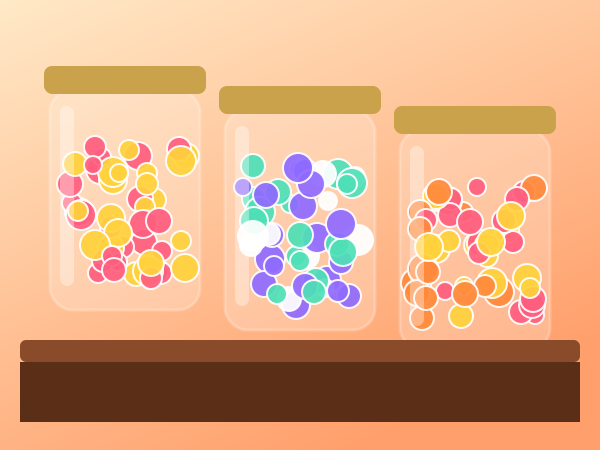
The Apothecary Jar Revival
Small-batch candy makers are bringing back glass jars, hand-lettered labels, and flavors named after gardens instead of laboratories.
 Spindle & Sugar
The Handmade Sweets Issue
Meet the makers, flavors, and techniques behind artisanal candies and lollipops: glassy, fragrant, and impossibly colorful.
Start reading
Small-batch candy makers are bringing back glass jars, hand-lettered labels, and flavors named after gardens instead of laboratories.

Rock candy takes days to grow. Slow cooling lets sugar arrange itself into faceted, sparkling clusters.
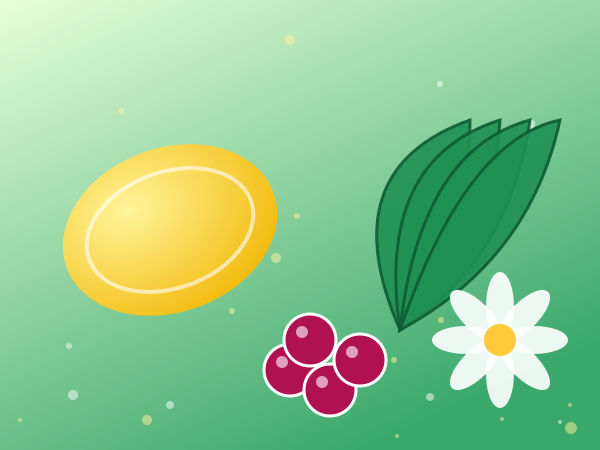
Lemon zest, garden mint, wild berries, and floral waters give craft candy its layered, lifelike taste.
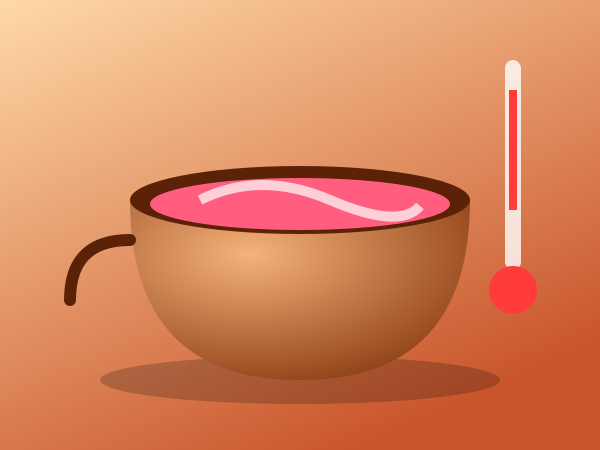
Syrup is cooked in stages, from soft and chewy to glassy and brittle. Makers watch temperature, humidity, and color before pouring onto cool marble.

A simple twist of paper keeps caramels fresh and turns each piece into a tiny gift.

Pressed and cut hard candies catch the light like stained glass.
Industrial candy is built for shelf life. Artisanal candy is built for the moment it is unwrapped. Makers work in small kettles, pull sugar by hand, and flavor each batch with real zest, steeped herbs, and infused syrups. The result is a candy with a clear, bright first note and a long, gentle finish.
Color is part of the craft, too. Swirls are folded in while the sugar is still pliable, so no two lollipops are exactly alike. Look closely and you will see tiny ribbons, bubbles, and folds, the fingerprints of a patient maker.
Pick a main note to see what makers like to pair with it.
Step through the classic stages of cooked sugar.